
Top Causes of Dry Eye - From Environment to Medical Conditions

Top Causes of Dry Eye - From Environment to Medical Conditions

Top Causes of Dry Eye - From Environment to Medical Conditions

Top Causes of Dry Eye - From Environment to Medical Conditions

Top Causes of Dry Eye - From Environment to Medical Conditions

Top Causes of Dry Eye - From Environment to Medical Conditions

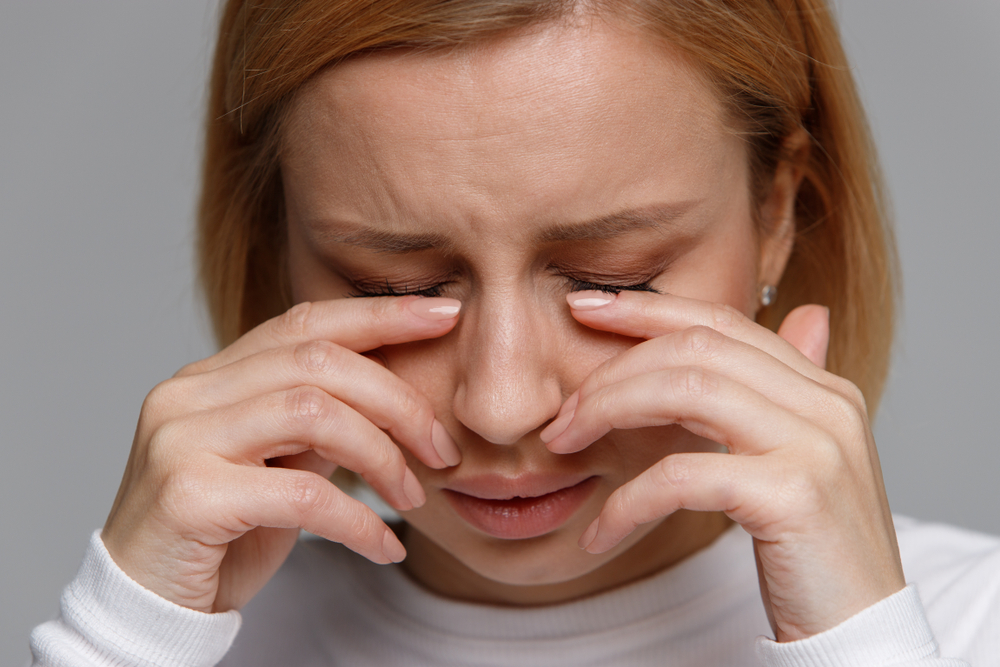
Dry eye is a common condition that can happen when your eyes do not make enough tears or when your tears do not have the right balance of water, oil, and mucus. This can lead to burning, irritation, blurred vision, and discomfort during daily activities. At Advanced Eyecare Central Coast, we help patients understand what may be contributing to dry eye so we can recommend the right treatment plan.
Environmental Triggers Can Disrupt Tear Stability
Many cases of dry eye are linked to everyday surroundings. Wind, smoke, dry air, air conditioning, and long hours on digital devices can all cause tears to evaporate too quickly. Screen use is a major factor because people tend to blink less when looking at phones, computers, and tablets. Over time, this can leave the eyes feeling dry, tired, and irritated.
Meibomian Gland Dysfunction Is a Leading Cause
One of the most common causes of dry eye is meibomian gland dysfunction, also called MGD. These glands along the eyelids produce the oil layer of the tear film. When they become blocked or stop working properly, tears evaporate faster than they should. This often causes symptoms like burning, fluctuating vision, redness, and a gritty feeling.
Medical Conditions Can Also Play a Role
Dry eye may also be connected to underlying medical conditions. Autoimmune disorders such as Sjogren’s syndrome, rheumatoid arthritis, and lupus can reduce tear production. Diabetes, thyroid disease, and rosacea may also affect tear quality and eye comfort. In some cases, inflammation on the eye surface or eyelid margin contributes to long-term dryness.
Medications and Lifestyle Factors Matter
Certain medications can make dry eye symptoms worse by lowering tear production. These may include antihistamines, decongestants, antidepressants, blood pressure medications, and some acne treatments. Lifestyle habits can also contribute.
• Wearing contact lenses for long periods
• Spending extended time on screens
• Not drinking enough water
• Exposure to smoke or dusty environments
• Sleeping poorly or not fully closing the eyes at night
Age and Hormonal Changes Affect Tear Production
Dry eye becomes more common with age. As the body changes over time, tear production may naturally decrease. Hormonal changes, especially during menopause, can also affect the tear film and make symptoms more noticeable. This is one reason dry eye is often more common in older adults and women.
A Professional Evaluation Can Identify the Cause
Because dry eye can have more than one cause, a proper evaluation is important. Some patients have evaporative dry eye related to gland problems, while others have reduced tear production or a combination of both. Identifying the source helps guide treatment and can make symptom relief more effective and longer lasting.
If you are dealing with burning, irritation, blurred vision, or watery eyes, schedule an evaluation with Advanced Eyecare Central Coast to learn about personalized treatment options. Call our office in Pismo Beach, California at (805) 773-6000 to book an appointment today.

All Eye
Care Services

Keep
In Touch

Call Us Today:
(805) 773-6000
Monday - Thursday 8:00 AM - 5:00 PM
Friday, Saturday, Sunday Closed
© 2026 Advanced Eyecare Central Coast. Privacy Policy | Accessibility Statement | Sitemap
Powered by
