
LLLT vs. IPL: How Modern Technologies Treat Dry Eye Differently

LLLT vs. IPL: How Modern Technologies Treat Dry Eye Differently

LLLT vs. IPL: How Modern Technologies Treat Dry Eye Differently

LLLT vs. IPL: How Modern Technologies Treat Dry Eye Differently

LLLT vs. IPL: How Modern Technologies Treat Dry Eye Differently

LLLT vs. IPL: How Modern Technologies Treat Dry Eye Differently

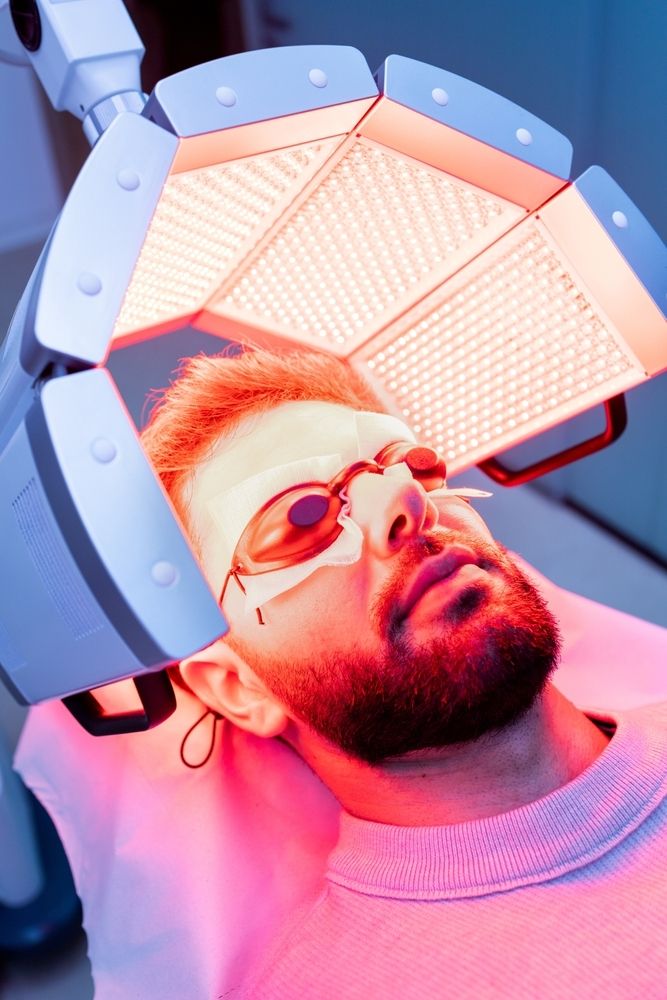
Burning, fluctuating vision, redness, and light sensitivity can make even simple tasks difficult. Fortunately, modern eye care has evolved beyond artificial tears. Today, advanced technologies such as Low-Level Light Therapy (LLLT) and Intense Pulsed Light (IPL) are changing that approach. Rather than simply masking symptoms, these innovative treatments target inflammation and meibomian gland dysfunction at the source, offering a more effective and lasting solution for chronic dry eye.
Understanding the Root Cause of Dry Eye
Before comparing treatments, it’s important to understand what often causes dry eye. The most common form is evaporative dry eye, typically linked to Meibomian Gland Dysfunction (MGD). The meibomian glands, located along the eyelids, produce oils that stabilize the tear film. When these glands become blocked or inflamed, tears evaporate too quickly—leading to dryness and irritation.
Both LLLT and IPL are designed to improve gland function and reduce inflammation, but they approach the problem differently.
What Is Low-Level Light Therapy (LLLT)?
Low-Level Light Therapy uses specific wavelengths of light delivered through a specialized mask placed over the closed eyelids. This gentle light energy penetrates the skin and stimulates cellular activity without heat or discomfort.
LLLT works by:
Enhancing cellular energy production (ATP)
Reducing inflammation in the eyelids
Improving meibomian gland function
Promoting natural healing processes
Because LLLT is non-invasive and painless, it’s often described as relaxing. There is no downtime, and treatments are typically performed in a series to gradually restore gland performance. LLLT is especially beneficial for patients with inflammatory dry eye or those who may not tolerate more heat-based therapies.
What Is Intense Pulsed Light (IPL)?
Intense Pulsed Light therapy uses controlled pulses of broad-spectrum light applied to the skin around the eyes. Originally developed for dermatology, IPL has become a highly effective tool in treating dry eye linked to MGD and ocular rosacea.
IPL works by:
Reducing abnormal blood vessels that contribute to inflammation
Decreasing inflammatory mediators around the eyelids
Liquefying hardened oils in the meibomian glands
Improving long-term tear film stability
Unlike LLLT, IPL produces controlled thermal energy that helps melt thickened gland secretions. After treatment, glands are often gently expressed to improve oil flow. IPL is particularly effective for patients with redness, rosacea, or visible eyelid inflammation.
Key Differences Between LLLT and IPL
While both technologies aim to restore healthier tear function, their mechanisms and ideal candidates differ.
Energy Delivery: LLLT uses low-level, non-thermal light energy. IPL uses higher-intensity light that creates therapeutic heat.
Treatment Sensation: LLLT is typically soothing and warm. IPL may feel like a brief snapping sensation against the skin but is generally well tolerated.
Primary Focus: LLLT emphasizes cellular repair and inflammation reduction. IPL targets inflammatory blood vessels and thickened gland oils.
Best For: LLLT may be preferred for patients with significant inflammation or sensitivity. IPL is often recommended for patients with rosacea-related dry eye or visible eyelid vascular changes.
In many cases, the therapies can complement each other, depending on the patient’s condition and severity.
Discover a Personalized Dry Eye Treatment Plan
LLLT and IPL represent two innovative, effective approaches to treating dry eye disease. While both aim to improve meibomian gland function and reduce inflammation, they differ in how they deliver energy and address underlying causes. The right choice depends on your specific diagnosis, symptoms, and ocular health history.
If you’re experiencing persistent dryness, burning, or fluctuating vision, Advanced Eyecare Central Coast can help. Schedule a dry eye evaluation to determine whether LLLT, IPL, or a customized treatment plan is right for you. Call our office in Pismo Beach, California at (805) 773-6000 to book an appointment today.

All Eye
Care Services

Keep
In Touch

Call Us Today:
(805) 773-6000
Monday - Thursday 8:00 AM - 5:00 PM
Friday, Saturday, Sunday Closed
© 2026 Advanced Eyecare Central Coast. Privacy Policy | Accessibility Statement | Sitemap
Powered by
